Pest Control: Practical Solutions to Guard Your Dwelling and Organization

Pest Control: Proven Techniques to Shield Your Living space and Business
Overview to Pest Control
Pest Control addresses the regulation or management of creatures considered as pests – biological entities that detrimentally affect personal endeavors or habitats. In New Jersey, a place where diverse ecosystems meet metropolitan and city advancement, successful Pest Control is not only a extravagance but a requirement for upholding healthy home and business settings. From the vast residential areas of Monmouth County to the cohesive districts of Matawan, pest incursions can plague any person, independent of how immaculate or well-kept their house may be.
The relevance of establishing useful Pest Control methods should not be emphasized enough. For homeowners, pests can destroy foundational integrity, adulterate food sources, and pose important health hazards. Organizations meet these equivalent challenges, with the extra unease of status destruction and possible loss of clients if outbreaks are identified. Ordinary pests in New Jersey comprise rats and mice like rats and mice, numerous invertebrates such as ants, cockroaches, and bed bugs, and the especially detrimental termites that can inaudibly impair a building's foundation.
For What Reason Pest Control Matters
Health Threats of Pest Control Chemicals
Multiple pests harbor and communicate illnesses that can affect people and pets. Rodents are identified hosts of hantavirus, salmonella, and leptospirosis. Cockroaches can induce asthma bouts and hypersensitivity responses, specifically in children. Ticks, prevalent in New Jersey's sylvan zones, are recognized for spreading Lyme disease, while mosquitoes can transmit West Nile virus and Eastern Equine Encephalitis. Trained Pest Control enables alleviate these health perils by eradicating the source of these conceivable disease spreaders.
House Deterioration in Pest Control
The constructional deterioration generated by pests can be substantial and expensive. Termites by themselves cause over $5 billion in home harm each year around the United States, with New Jersey homes being notably open due to the state's weather. Vermin can nibble through power wiring, creating fire perils, while their continuous nibbling can harm thermal barriers, pipes, and wood framework elements. Even relatively inoffensive ants can compromise timber structures if neglected unmanaged, particularly carpenter ants which are usual in Monmouth County.
Pecuniary Implications of Pest Control Services
Neglecting pest problems can result in major budgetary consequences. What potentially begin as a small incursion demanding easy processing can swiftly grow into a considerable complication necessitating extensive rehabilitation. For companies, especially those in the food industry or accommodation businesses, pest outbreaks can lead to deficient health checks, interim shutdowns, and sustained harm to prestige and customer faith. Financing in consistent Pest Control is not merely about quick comfort—it's a ongoing budgetary security.
Pest Control: Prevalent Family and Commercial Pests
Rodents (Rats and Mice)
When it involves detecting rodent issues in your New Jersey home, carefulness is critical. You can spot feces near food provisions, in compartments, or beneath sinks. Gnaw marks on food packaging, wood, and electrical cables are clear signs of their attendance. At evening, you may catch scratching disturbances in partitions, roofs, or beneath floors as these night-active critters grow active. If you detect shelters built from tattered paper, fabric, or arid plant material, that's a apparent sign rodents have made themselves comfortable. Oily rub marks adjacent to baseboards and walls manifest as rodents use the similar paths frequently, while your pets may show odd actions such as barking or pawing at spaces beneath machines or furnishings where rodents camouflage.
Rodents in New Jersey homes and firms constitute many menaces exceeding basic nuisance. They can corrupt food and cooking counters with microorganisms contained in their urination and stools. Their continuous requirement to munch can injure assets, specifically cables, which makes fire dangers. In Matawan and neighboring locations, the Norway rat and house mouse are specifically troubling, thriving in both metropolitan and suburban locations. Potent Pest Control steps are critical to address these damaging infiltrators.
Invertebrates (Ants, Cockroaches, Bed Bugs)
Insect problems reveal themselves in different manners relative to the kind. Ant difficulties grow apparent when you witness visible ant routes approaching food reserves, or when you find diminutive mounds of dirt or wood shavings created by carpenter ants. Cockroach infestations often show themselves through dark excrement similar to coffee grounds or black pepper, a distinctive moldy fragrance that suffuses infested places, and the appearance of egg envelopes in camouflaged corners. Bed bug difficulties manifest as rust-colored stains on mattresses and pieces, shed skins near resting zones, diminutive blood spots on sheets, and scratchy red protuberances on skin typically placed in a row or collection.
Insects exemplify the most different category of pests in New Jersey. Cockroaches can activate asthma and intolerances while distributing many microorganisms. Bed bugs, while not disease transmitters, generate appreciable pain, sleep hindrance, and emotional suffering. Special ant breeds, like carpenter ants usual in Monmouth County's wooded places, can produce architectural damage comparable to termites during time. Trained Pest Control companies can recognize distinct insect species and carry out directed intervention strategies that address the singular actions and sensitivities of each pest.
Termites
Spotting termite existence initially requires being aware of the slight signals of their attendance. You can spot dropped wings near openings and portals after swarmers have spotted a mate and instituted a new colony. Mud tubes on outdoor walls, lumber beams, or in crawl cavities work as sheltered highways for these harmful bugs. Wood that echoes void when tapped reveals termites have been feeding from inside. Portals and openings that all at once attach may suggest contorting from termite destruction, while split or swelling paint resembling water harm often disguises termite work beneath. Uncovering frass—termite waste akin to tiny wood-colored pellets—furnishes another proof of their undesired occurrence.
Termites pose perhaps the most important foundational danger among all usual pests. In New Jersey, the Eastern subterranean termite is frequent and specifically devastating. These arthropods can persist hidden for periods while inflicting considerable injury to wood framework components. Homes in Matawan and around Monmouth County, specifically older dwellings, are defenseless to termite invasions. The normal expense of term pest control.
Pest Control Security Aspects
Safe Usage of Chemicals and Products in Pest Control
As pesticides grow essential in your pest control strategy, focusing on protection needs consideration to various critical methods that shield individuals, pets, and the surroundings. Continuously read and adhere to label directions precisely, as these binding instructions demonstrate extensive examination and regulatory evaluation intended to decrease hazards. Utilize the minimum successful amount of product to reach elimination while reducing excess chemical incorporation into your residential space. Apply substances only in zones specified on the label, eliminating unauthorized treatments that may create surprising dangers or decrease effectiveness. Use correct protective gear as stated by chemical producers to eliminate personal exposure during application. Keep substances in their original containers with labels undamaged to keep availability to protection data and avoid mix-ups. Document comprehensive logs of all uses, documenting chemicals applied, concentration rates, locations applied to, and schedules of use for subsequent consultation. Ensure adequate drying and air circulation before returning to treated spaces, particularly vital in New Jersey's climate where humidity can alter curing durations. Evaluate safer choices when successful, as advances in pest control have produced many less-hazardous options that maintain effectiveness while decreasing potential risks.
Protecting Animals and Children During Pest Control Treatments
Specific measures turn crucial when performing pest control steps in dwellings with vulnerable family occupants. Relocate pets throughout application and until spaces are set to eliminate close interaction with wet substances or fumes that could generate bad responses. Cover or relocate pet food, water dishes, and items before service to stop pollution that could result in unintentional eating. Put children's toys apart from treatment zones, particularly objects that young kids might place in their lips. Disinfect and sanitize food making counters after service, even if they were not directly applied to, to eliminate any leftovers that might have accumulated during application. Maintain young ones distant from serviced areas for the advised time, lengthening this duration for mobile toddlers who have increased direct exposure with surfaces and lower surfaces. Consider pet-safe and child-safe chemical alternatives when available, as many modern chemicals focus on particular pest physiology while decreasing animal harm. Most importantly, advise expert technicians about the presence of pets, kids, or pregnant family individuals before they design application strategies, permitting them to change strategies and substance selections suitably.
Governmental Rules and Compliance with Pest Control
Pest control in New Jersey works within a official structure intended to protect public health and the surroundings while guaranteeing effective pest management. The New Jersey Department of Environmental Protection oversees pest control operations, demanding qualified pest management firms to meet defined requirements. Companies must hire licensed specialists who have completed state assessments showing proficiency in pest study, application techniques, and safety protocols. These organizations must maintain correct coverage insurance protecting both their professionals and their customers from likely losses or damage connected with pest management operations. Stringent rules regulate product housing, transportation, and elimination to avoid natural exposure and illegal availability. Technicians must give Safety Data Sheets upon request, detailing the features and dangers of products employed in services. Notification rules relate for some applications, particularly in apartment dwellings or business spaces with numerous tenants. Comprehensive service notes must be maintained, forming an audit history of pest elimination operations. Also, only chemicals approved for use in New Jersey may be lawfully applied, making certain that regional ecological conditions and habitats have been examined in the authorization system. For business properties in Matawan and throughout Monmouth County, supplementary regulations may pertain depending on the business, specifically for dining business, medical, and childcare buildings where pest management meets with additional general wellness considerations.
Green Pest Control Choices
Comprehensive Pest Management (IPM) Approach
Integrated Pest Management embodies the top measure in today's pest control, emphasizing on long-term deterrence through a mix of strategies that decrease natural effect while enhancing performance. The IPM procedure starts with comprehensive assessment and monitoring to determine pest presence correctly, setting up foundation information about kinds occurring and amount counts. This produces accurate determination of pest varieties, ensuring control efforts focus on particular behaviors and exposures rather than employing universal methods. Professionals create threshold levels that justify intervention, acknowledging that the mere detection of a handful of pests does not automatically require treatment if numbers continue below injurious amounts. When action grows essential, IPM applies numerous management strategies in unity, usually commencing with safest approaches and increasing only when needed. During the system, specialists examine efficiency and modify methods as appropriate, building a responsive system responsive to shifting situations. Most vitally, IPM highlights deterrence over control, dealing with physical and surrounding conditions that encourage pest numbers rather than merely eradicating existing insects. Many pest control firms in New Jersey provide IPM-based solutions that coordinate with the area's effort toward minimal-impact pest management practices, particularly in delicate areas like educational facilities, healthcare establishments, and food processing facilities.
Natural Management Methods
Effective pest control often integrates alternative approaches that can fix or lower pest troubles without inserting products into the ecosystem. Mechanical blockades such as filters, entry seals, and caulking eliminate pest invasion entirely, handling the concern at its root. Direct methods like traps and barrier equipment remove existing organisms while avoiding new arrivals. Biological approaches featuring beneficial bugs and microbes bring natural enemies that target individual organisms while keeping useful creatures protected. Behavioral techniques modify the setting to discourage pests, such as modifying water timing to lower moisture that lures some pests. Area alteration lowers shelter and sustenance supplies, making sites minimally attractive to problematic guests. For some creatures like bedbugs, thermal treatments provide very productive management without harmful traces by increasing temperatures over the temperature killing point for all life cycles of the target pest. Comparably, cooling techniques for warehoused item creatures like food insects or kitchen moths can remove issues in nutritional goods without chemical residue. These strategies show specifically beneficial in New Jersey's different settings, where distance to liquid areas, protected wild zones, and heavy residential hubs creates various situations where toxic reduction turns beneficial or necessary.
Environmentally-Friendly Pest Control Treatment Options
The pest control field continues to develop toward increasingly sustainable procedures that preserve success while decreasing natural effect. Plant-based chemicals sourced from organic compounds like pyrethrum, neem oil, and natural extracts supply precise elimination with reduced longevity in the nature. Microbial treatments featuring organisms, organisms, or agents that attack individual pest species deliver precision that conventional broad-spectrum chemicals cannot equal. Reproductive controllers that inhibit pest mating by interrupting with growth stages deliver lasting population reduction without instant toxic influences on adult creatures. Attractant devices that observe or disrupt pest reproduction aid figure out when action turns needed and can prevent reproduction in some varieties. The field more and more embraces reduced-risk pesticides with minimal natural footprint, transitioning away from conventional products with greater impacts on secondary life forms. Accurate treatment technologies that decrease complete chemical use deliver procedures precisely where essential rather than broadcasting substances throughout wide spaces. Environmental approval initiatives for pest management companies determine requirements for ecologically favorable service and provide customers with distinct labeling of providers committed to sustainable approaches. In naturally vulnerable zones of New Jersey, featuring portions of Monmouth County with closeness to water bodies, these green approaches are especially valuable for defending both individual wellness and environmental environments while still delivering efficient pest treatment.
Finding a Local Pest Control Service Provider in New Jersey
Capitol Exterminating System
272 NJ-34
Matawan, NJ 07747
(732) 441-1900
Commonly Inquired Questions (FAQs) about Pest Control
How commonly should pest control be performed?
For numerous New Jersey residences, quarterly pest control provides appropriate security against periodic pest activity. This frequency coordinates with the local separate seasons, each generating separate pest issues that need precautionary care. Springtime applications commonly deal with emerging ant communities and dormant pests turning active. Summertime procedures concentrate on mosquitos, parasites, and different airborne bugs that succeed in heated weather. Autumn services arrange homes for small mammals and surviving pests looking for refuge as climate drop. Cold season treatments keep protection against internal insects while tackling rodent issues at its maximum. Though, this rate may expand for homes with individual risk aspects or persistent problems that demand more comprehensive treatment. Residences close to natural locations in Monmouth County may benefit from further parasite and mosquito services across maximum cycles. Homes with record of individual pest concerns regularly require specific additional applications past the normal four times yearly frequency. Corporate facilities, particularly food industry facilities in regions like Matawan, often call for frequent care to keep compliance with health requirements and eliminate issues that could hurt image and commercial operations.
Is specialist pest control safe for companions?
When carried out accurately, qualified pest control can be safe for animals through cautious chemical choice and employment methods that minimize access. Today's directed usage procedures and minimal-impact chemicals have considerably upgraded wellness profiles compared to older pest management techniques. Contemporary procedures commonly employ compounds especially developed to have minimal poison to pets while staying efficient against specific pests with distinct anatomies. Expert specialists get training in application procedures that place chemicals in locations companions cannot enter, such as interior spaces, splits and openings, or underneath machines. Nonetheless, animals should be relocated throughout application and until all treatments have set fully, following certain delay durations recommended by the product company and professional. Fish containers should be covered and oxygen equipment disabled throughout procedure to prevent infection from airborne matter. Pet items containing resting places, playthings, and feeding containers should be relocated or enclosed while performing application. Address any worries with your pest control company, who can advise correct delay times based on the certain services applied and change approaches for families with specifically sensitive companions like flying animals or lizards and snakes that may have alternative physiological sensitivities than cats and canines.
What are the symptoms of a serious pest invasion?
Beyond seen pests themselves, several caution symptoms indicate possibly major invasions needing immediate pest control response. Unusual aromas frequently develop with significant invasions – musty, slick smells may show small mammals, while pleasant, nutty scents sometimes come with German roach colonies. Mysterious structural damage like sinking surfaces, bubbling finish, or breaking timber may indicate wood-destroying insect damage or carpenter ant infestations harming building parts. Peculiar activity within partitions or attics, especially at nighttime, frequently indicate mouse and rat movement as these nocturnal animals become lively in secret spaces. Excessive powder appearing as tiny shavings near lumber pieces may actually be frass or waste from timber-damaging insects. Some homes encounter mysterious medical problems like respiratory difficulties or scratching that resolve when gone from property, possibly suggesting bug issues impacting interior atmosphere standard. In New Jersey houses, particular care should be devoted to cellar and under-floor spaces where dampness problems can support pest groups, particularly in older houses throughout Monmouth County where base fissures and failing mortar offer various penetration places. Encountering numerous deceased insects of the identical variety shows a more extensive population near, while fat marks along floor edges reveal confirmed small mammal pathways with consistent movement.
Can I stop insects without pest control pesticides?
Certainly, many organisms can be stopped through appropriate cleanliness, exclusion, and habitat adjustment without employing pesticide interventions. The foundation of non-toxic pest control commences with detailed barrier work – closing cracks, gaps, and holes that enable insects to penetrate homes in the starting position. Installing door strips, restoring damaged filters, and blocking infrastructure holes eliminates frequent entry spots. Removing food options through correct edible storage in tight containers, quick cleaning of messes and pieces, and regular trash disposal markedly decreases lures that attract organisms inside. Lowering water by mending dripping water lines, enhancing air movement in damp spaces, and handling drainage concerns removes the fluid sources numerous pests demand. Preserving a distance area around homes by pruning vegetation, clearing plant waste, and storing fuel elevated and apart from properties decreases refuge locations and entry places. Employing tangible blockades like metal screen or steel stuffing to prevent bigger spaces supplies long-term blocking for mice and rats. Regular care that includes suction cleaning openings and crevices gets rid of creature larvae and food debris that encourage pest growth. For existing issues, nevertheless, some kind of treatment product may be required to resolve developed problems, though various lower-risk choices are accessible such as diatomaceous earth, boric compound, and bug-eliminating detergents that deliver decreased hazard compared to standard chemicals.
What should I anticipate during specialist pest control treatment?
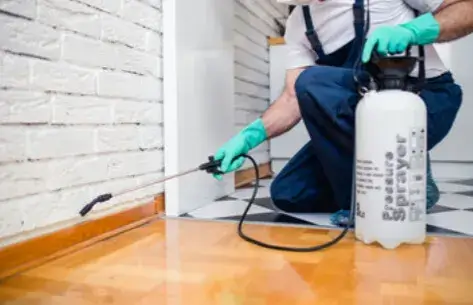
A specialist pest control procedure commonly begins with a comprehensive evaluation to determine pest kinds, invasion spots, and conducive environments contributing to the concern. The professional should spend effort reviewing both indoor and external locations, paying particular care to cooking areas, restrooms, basements, and perimeter structural supports where pest behavior frequently accumulates. Following this inspection, the professional should explain their results in completeness and propose a procedure program adapted to your unique condition, discussing both the intended pests and the techniques planned for handling them. You may obtain arrangement instructions before service, potentially including shifting items, removing certain locations, or securing companions. During the service, the technician will employ appropriate chemicals to specific locations according to the pest varieties recognized, concentrating on cracks, crevices, and pest shelter locations rather than broadcasting services over complete surfaces. They may set up surveillance equipment like creature devices or food containers that aid observe improvement and supply ongoing defense. After concluding treatments, a professional should detail any post-treatment guidelines such as ventilation needs, check here re-entry times, or spaces to wash. Before going, they should plan additional visits if needed for particularly difficult organisms like bed bugs or German cockroaches that generally need various applications for entire destruction. Across this method, professionals should encourage queries and offer clear information about the chemicals and approaches used, reflecting their preparation and pledge to both effectiveness and wellness.
Productive pest control is an essential part of keeping sanitary, harmless dwelling and commercial spaces in New Jersey. From the damp warm seasons that bring mosquitos and blood-sucking insects to the colder periods when small mammals seek protection inside, pest pressures stay a continuous worry for residents and organizations in Monmouth County and Matawan. By understanding common pests, using protective procedures, and understanding when to seek qualified aid, structure owners can defend their holdings and the wellness of inhabitants.
Taking a anticipatory system to pest control is invariably increasingly productive and economical than addressing to active problems. Routine inspections, suitable upkeep, and addressing little issues before they expand can eliminate the significant charges and interruptions connected with major pest concerns. When specialist intervention grows needed, picking a trustworthy, licensed pest control company who utilizes comprehensive pest control approaches ensures effective solutions with small natural influence.